How Does a Hybrid Inverter Improve Efficiency in Commercial Energy Storage Systems?
Release time: 2026-07-29
Table of Contents
As electricity costs continue to increase and businesses become more focused on energy security, commercial and industrial users are increasingly adopting solar energy storage solutions to reduce operational expenses and improve power reliability.
Modern energy systems require more than simple electricity conversion. Companies need intelligent solutions that can coordinate solar generation, battery storage, grid power, and electrical loads in real time.
This is why a Hybrid Inverter has become a critical component in advanced energy storage systems. Unlike traditional inverters that mainly convert solar power, a hybrid solution integrates energy conversion, battery management, and intelligent power control to maximize energy utilization.
For commercial and industrial applications, the right hybrid inverter can improve system efficiency, reduce electricity costs, and provide a more flexible approach to renewable energy management.
Why Is a Hybrid Inverter Essential for Modern Commercial Energy Storage Systems?
Traditional solar inverters are mainly designed to convert DC electricity generated by photovoltaic panels into AC electricity for use by electrical equipment or delivery to the grid.
However, modern Commercial and Industrial Energy Storage Systems (C&I ESS) require more advanced functionality.
Businesses often need to:
- Use solar power directly during daytime operations;
- Store excess solar energy for later use;
- Reduce dependence on expensive grid electricity during peak hours;
- Maintain power availability during grid interruptions.
A Hybrid Inverter acts as the central energy management unit that connects solar panels, battery storage, and grid power into one coordinated system.
A complete hybrid energy storage system typically includes:
| System Component | Main Function |
|---|---|
| Solar PV Modules | Generate renewable DC electricity |
| Hybrid Inverter | Convert power and manage energy distribution |
| Battery Storage System | Store excess electricity for later use |
| Grid Connection | Provide additional energy support when required |
| Industrial Loads | Consume optimized electricity output |
By combining multiple functions into a single device, hybrid inverters simplify system design while improving overall energy management efficiency.
How Does a Hybrid Inverter Improve Energy Efficiency?
For commercial users, energy efficiency directly affects operating costs. Even small improvements in conversion performance can create significant financial benefits over the lifetime of an energy storage project.
A high-performance Solar Hybrid Inverter improves efficiency through several key technologies.
1. Reducing Energy Conversion Losses
Solar panels generate DC electricity, but most commercial equipment operates on AC power. During this conversion process, some energy loss naturally occurs.
A high-efficiency inverter minimizes these losses by optimizing power conversion.
The Zonyue Hybrid Inverter achieves up to 98.2% efficiency, helping businesses maximize the usable energy generated from solar systems.
For large-scale C&I ESS projects, improving conversion efficiency means:
- More solar energy utilization;
- Lower energy waste;
- Better long-term investment returns.
2. Optimizing Solar and Battery Energy Flow
Commercial electricity demand is rarely constant throughout the day.
A typical energy pattern may include:
- High solar generation during midday;
- Increased electricity consumption during production hours;
- Continued energy demand after sunset.
A modern Hybrid Inverter intelligently manages energy flow according to system conditions.
| Operating Condition | Energy Management Strategy |
|---|---|
| High solar production | Supply loads first and charge batteries with excess power |
| Peak electricity pricing | Use stored battery energy to reduce grid consumption |
| Low solar generation | Balance battery and grid power supply |
| Power outage | Provide backup energy support |
This intelligent scheduling allows businesses to improve renewable energy utilization and reduce unnecessary electricity expenses.
Why Is 800V Wide Voltage Technology Important for Industrial Energy Storage?
As commercial energy storage projects become larger, system voltage design becomes increasingly important.
The Zonyue Hybrid Inverter supports an 800V wide voltage range, providing greater flexibility for industrial and commercial applications.
Better System Compatibility
High-voltage platforms can support larger battery configurations and provide more options for system integrators and EPC companies.
This flexibility is especially valuable for:
- Manufacturing facilities;
- Large commercial buildings;
- Renewable energy projects.
Lower Electrical Losses
Under the same power output, higher voltage systems require lower current.
Lower current helps:
- Reduce cable losses;
- Improve transmission efficiency;
- Optimize system performance.
For large-scale energy storage applications, these advantages can significantly improve overall system economics.
Supporting Future Energy Expansion
Energy requirements often increase as businesses grow.
An 800V Hybrid Inverter provides additional scalability, allowing companies to expand their solar and storage capacity without completely redesigning the energy system.
Hybrid Inverter vs Traditional Inverter: Which Solution Is Better for Energy Storage?
When planning a solar project, many users compare hybrid inverters with traditional grid-connected inverters.
The main differences include:
| Feature | Hybrid Inverter | Traditional Solar Inverter |
|---|---|---|
| Solar power conversion | Yes | Yes |
| Battery integration | Built-in support | Usually requires additional equipment |
| Energy management | Intelligent control | Limited |
| Backup power capability | Available | Usually unavailable |
| Storage applications | Excellent | Limited |
| Future expansion | Flexible | More restricted |
Traditional inverters remain suitable for simple grid-connected solar projects.
However, businesses that want to reduce electricity costs, improve energy independence, and optimize renewable energy usage generally benefit more from a hybrid solution.
What Applications Can Benefit from Hybrid Inverters?
The demand for intelligent energy management is expanding across many industries.
Manufacturing Facilities
Manufacturing companies often have high and continuous electricity demand.
By combining solar generation with battery storage, businesses can:
- Reduce peak electricity costs;
- Improve energy reliability;
- Increase renewable energy usage.
A reliable C&I Energy Storage Inverter helps manufacturers create a more predictable energy environment.
Commercial Buildings
Office buildings, shopping centers, and commercial facilities can use hybrid energy systems to optimize daily electricity consumption.
A typical strategy includes:
- Solar power during daytime;
- Battery charging when excess energy is available;
- Battery discharge during expensive peak periods.
This approach improves energy efficiency while lowering operating costs.
Renewable Energy Projects
Large solar projects increasingly require advanced energy management rather than simple electricity conversion.
Hybrid inverter technology enables better coordination between:
- Solar generation;
- Battery storage;
- Grid interaction.
This makes it an important solution for modern renewable energy infrastructure.
How to Choose the Right Hybrid Inverter for Commercial Energy Storage?
Selecting the correct inverter requires careful evaluation of technical and application requirements.
1. Evaluate System Capacity
Businesses should consider:
- Solar installation size;
- Battery capacity;
- Maximum load demand;
- Future expansion plans.
The inverter should match both current requirements and future energy goals.
2. Consider Conversion Efficiency
Higher efficiency directly improves system performance.
Important factors include:
- Maximum efficiency rating;
- Operating efficiency under different loads;
- Thermal management design.
3. Check Voltage Compatibility
For commercial projects, users should evaluate:
- DC voltage range;
- Battery compatibility;
- System expansion capability.
An 800V wide voltage platform can provide greater flexibility for larger energy storage applications.
4. Prioritize Intelligent Energy Management
Modern businesses need more than power conversion.
A reliable hybrid inverter should provide:
- Smart energy scheduling;
- Battery charging optimization;
- Grid interaction control;
- Stable power output.
Why Choose Zonyue Hybrid Inverter for Commercial Energy Storage?
Zonyue specializes in renewable energy solutions, including Solar Inverter systems, Energy Storage Systems, and advanced power conversion technologies for global customers.
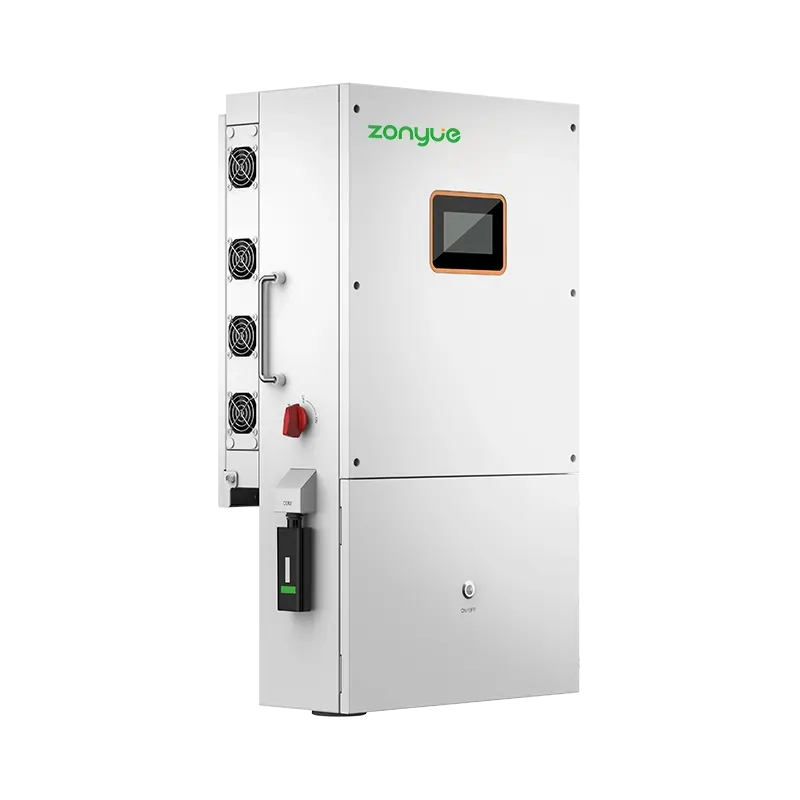
The Zonyue Hybrid Inverter is designed for modern commercial and industrial energy applications, combining high conversion efficiency, flexible voltage compatibility, and intelligent energy management capabilities.
With up to 98.2% efficiency and an 800V wide voltage range, Zonyue Hybrid Inverter helps businesses improve solar energy utilization, reduce electricity costs, and build more reliable energy storage systems.
Whether for industrial facilities, commercial buildings, or large-scale renewable energy projects, Zonyue provides professional solutions to support a cleaner and more sustainable energy future.
Frequently Asked Questions About Hybrid Inverters
1. What is a Hybrid Inverter?
A Hybrid Inverter is an advanced solar inverter that combines photovoltaic conversion, battery charging, and energy management functions. It allows solar panels, batteries, and grid power to work together efficiently.
2. How is a Hybrid Inverter different from a traditional inverter?
A traditional inverter mainly converts solar DC electricity into AC power, while a Hybrid Inverter can also manage battery storage, optimize energy usage, and provide greater system flexibility.
3. Why is inverter efficiency important in commercial solar systems?
Higher inverter efficiency reduces energy losses during conversion, allowing businesses to use more of their generated solar power and improve the financial return of their energy storage investment.
4. Can a Hybrid Inverter be used for C&I Energy Storage Systems?
Yes. Hybrid Inverters are widely used in commercial and industrial energy storage applications because they can coordinate solar power, battery storage, and grid electricity.
5. What are the advantages of an 800V Hybrid Inverter?
An 800V Hybrid Inverter supports high-voltage energy storage architectures, helping reduce electrical losses, improve system compatibility, and support larger commercial projects.
6. Can Hybrid Inverters work with lithium battery systems?
Yes. Most modern Hybrid Inverters are compatible with lithium battery storage systems and provide intelligent charging and discharging control.
7. Why choose Zonyue Hybrid Inverter?
Zonyue Hybrid Inverter combines high efficiency, advanced energy management, and flexible system compatibility to provide reliable solutions for residential, commercial, and industrial solar storage applications.