How Does an Off-Grid Inverter Improve Solar Energy Independence for Remote Power Systems?
Release time: 2026-07-10
Table of Contents
As energy costs continue to rise and power reliability becomes a growing concern, more homeowners, businesses, and remote facilities are looking for ways to achieve greater energy independence. Traditional grid-connected electricity is not always available or reliable, especially in rural areas, islands, farms, and off-grid locations.
An efficient solar power system requires more than just photovoltaic panels. The key component that manages energy conversion, battery charging, and stable power output is the Off-Grid Inverter. It transforms solar energy stored in batteries into usable AC electricity while ensuring reliable operation of connected appliances and equipment.
For remote power applications, a well-designed off-grid solar solution can reduce dependence on traditional energy sources and provide a cleaner, more sustainable electricity supply.
Why Is an Off-Grid Inverter the Core Component of Energy Independent Solar Systems?
Many people focus mainly on solar panels when planning a solar energy system. However, photovoltaic modules only generate DC electricity, while most residential and commercial equipment requires AC power.
This is where an Off-Grid Inverter becomes essential. It works as the energy management center of the entire system by controlling power conversion between solar panels, batteries, and electrical loads.
A complete off-grid solar system typically includes:
| Component | Main Function |
|---|---|
| Solar Panels | Convert sunlight into DC electricity |
| Off Grid Inverter | Convert DC power into AC electricity and manage energy flow |
| Battery Storage System | Store excess solar energy for nighttime or cloudy conditions |
| Electrical Loads | Consume converted electricity for daily operation |
Unlike traditional backup generators that depend on fuel supply, solar energy systems allow users to generate and store electricity independently, making them ideal for long-term remote applications.
How Does MPPT Technology Improve Solar Energy Utilization?
Solar power generation is naturally affected by environmental conditions, including sunlight intensity, temperature, and weather changes.
For example:
- Solar panels produce maximum output under strong sunlight.
- Cloudy weather can significantly reduce photovoltaic output.
- Morning and evening conditions create unstable voltage levels.
Without intelligent power tracking, solar modules may not operate at their highest efficiency.
Modern MPPT Solar Inverter technology solves this challenge by continuously monitoring photovoltaic input and adjusting operating parameters to maintain the maximum power point.
Compared with traditional charging methods, MPPT technology provides several advantages:
- Improved solar energy harvesting efficiency;
- Better performance under changing weather conditions;
- More stable battery charging;
- Reduced energy loss during conversion.
For remote locations where sunlight conditions can vary significantly, MPPT capability helps maximize available solar resources and improves overall system reliability.
Why Does Surge Capacity Matter in Off-Grid Solar Applications?
One of the most overlooked factors when selecting an inverter is surge power capability.
Many electrical devices require significantly higher power during startup compared with normal operation.
Typical examples include:
- Water pumps;
- Air conditioners;
- Refrigerators;
- Motors and industrial equipment.
Although these devices may operate within the rated inverter capacity, their initial startup current can be several times higher.
Without sufficient surge capability, users may experience:
- Equipment startup failure;
- Inverter protection shutdown;
- Unstable system performance;
- Reduced equipment lifespan.
A high-performance Off-Grid Inverter with strong surge capacity can handle temporary power spikes and provide more stable electricity for demanding applications.
Zonyue Off-Grid Inverter supports 2-3X surge capability, helping users operate appliances and equipment with higher startup requirements while maintaining system stability.
How Can 3kW-12kW Off-Grid Inverters Support Different Energy Needs?
Different applications require different inverter capacities. Selecting the correct power rating ensures system efficiency while avoiding unnecessary investment.
| Inverter Capacity | Recommended Applications | Typical Loads |
|---|---|---|
| 3kW-5kW | Small homes, cabins, remote houses | Lighting, refrigerators, small appliances |
| 6kW-8kW | Residential energy storage systems | Air conditioners, pumps, multiple appliances |
| 10kW-12kW | Large homes and small commercial projects | High-power equipment and multiple loads |
The 3kW-12kW range provides flexibility for different energy requirements, allowing users to design solar systems according to current consumption while keeping room for future expansion.
For example, a small remote cabin may only require a compact system, while a farm or commercial facility may need higher capacity to support continuous equipment operation.
Off-Grid Inverter vs Traditional Backup Generator: Which Solution Is More Sustainable?
When choosing an independent power solution, many users compare solar systems with diesel generators.
The differences are significant:
| Comparison | Off-Grid Solar System | Traditional Generator |
|---|---|---|
| Energy Source | Solar energy | Diesel or fuel |
| Operating Cost | Low after installation | Continuous fuel expenses |
| Environmental Impact | Clean renewable energy | Carbon emissions |
| Noise Level | Quiet operation | High operating noise |
| Maintenance | Minimal maintenance requirements | Regular servicing required |
| Energy Independence | High | Depends on fuel availability |
For remote areas where fuel transportation is expensive or inconvenient, solar-based power systems offer a more practical long-term solution.
Where Are Off-Grid Inverters Commonly Used?
The demand for independent energy systems is expanding across multiple industries.
Remote Residential Solar Systems
Homes located away from utility networks often require reliable electricity without expensive grid extensions.
An Off-Grid Inverter can support:
- Lighting systems;
- Household appliances;
- Heating and cooling equipment;
- Communication devices.
This makes solar energy a practical option for rural homes, cabins, and vacation properties.
Agricultural Solar Power Solutions
Farms and agricultural facilities often operate in areas with limited grid access.
Solar systems equipped with reliable inverters can provide power for:
- Irrigation pumps;
- Agricultural monitoring systems;
- Farm lighting;
- Equipment charging.
By combining solar generation and battery storage, farmers can reduce energy costs while improving operational reliability.
Emergency and Backup Power Systems
Extreme weather events and grid instability have increased demand for backup energy solutions.
A properly configured solar battery system can provide continuous electricity during outages, reducing dependence on emergency fuel supplies.
How to Choose the Right Off-Grid Inverter for Your Solar System?
Selecting the correct inverter requires evaluating several technical factors.
1. Calculate Total Load Requirements
Users should consider both:
- Normal operating power;
- Startup surge power.
This ensures the inverter can handle real-world operating conditions.
2. Check Battery Compatibility
The inverter should match the battery storage system, including:
- Battery voltage;
- Charging requirements;
- Energy capacity.
Compatibility directly affects system efficiency and battery lifespan.
3. Evaluate Solar Input Capability
Important specifications include:
- MPPT quantity;
- Maximum PV input power;
- Solar voltage range;
- Charging efficiency.
A suitable inverter should fully utilize the available solar array.
4. Consider Future Expansion
A flexible system design allows users to increase solar capacity or energy storage in the future without replacing major components.
Why Choose Zonyue Off-Grid Inverter for Solar Energy Independence?
Zonyue focuses on developing reliable solar energy solutions, including Solar Inverter systems, energy storage products, and customized renewable energy solutions for global customers.
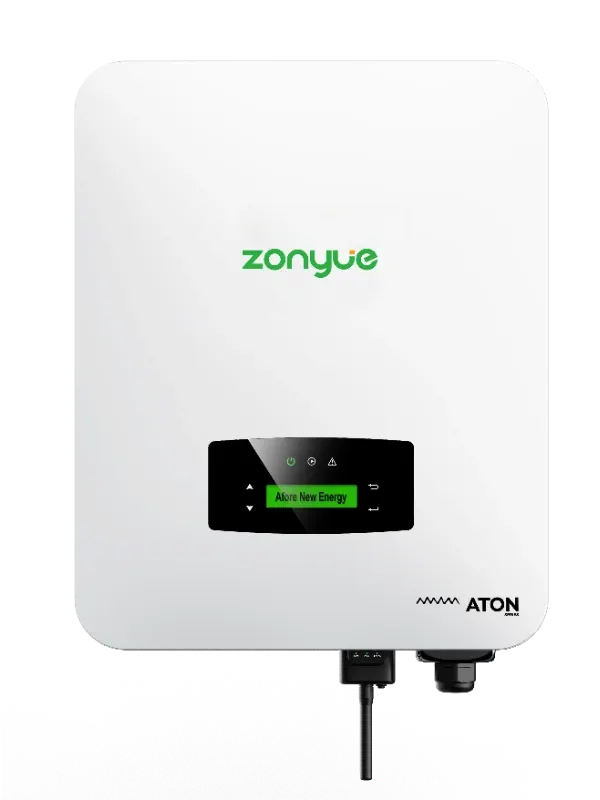
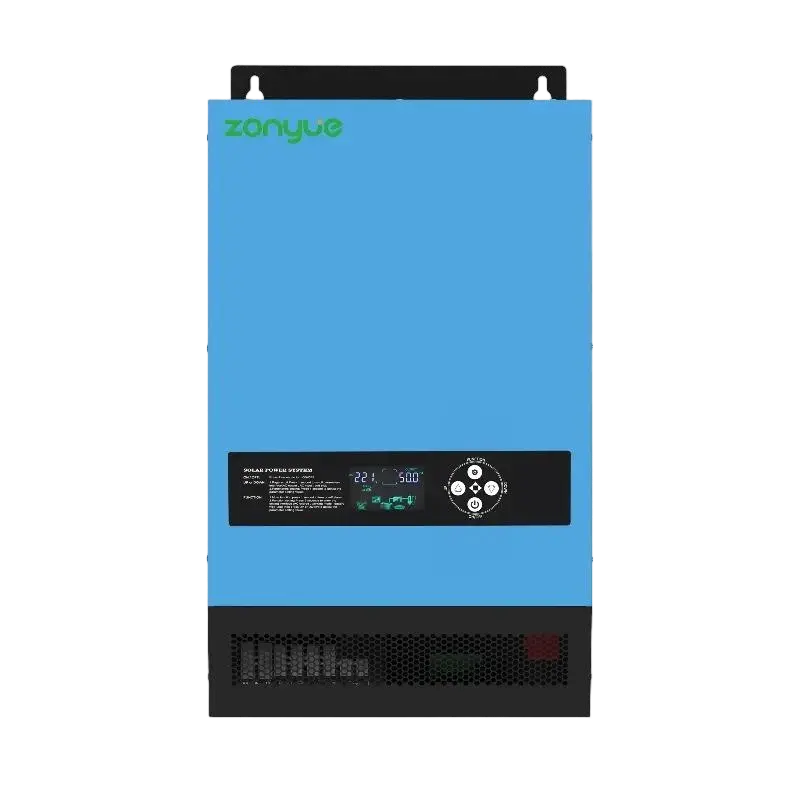
The Zonyue Off-Grid Inverter 3-12kW 2-3X Surge MPPT Solar Charger is designed for users who need stable and efficient independent power solutions. With advanced MPPT charging technology, flexible power options, and strong surge performance, it supports residential, commercial, and remote energy applications.
Whether the goal is creating an independent home power system, improving backup energy reliability, or building a remote solar project, Zonyue provides professional products and technical support to help customers achieve a more sustainable energy future.
Frequently Asked Questions About Off-Grid Inverters
1. What is an Off-Grid Inverter?
An Off-Grid Inverter is a device that converts DC electricity generated by solar panels or stored in batteries into AC electricity for household and commercial equipment. It also manages energy conversion and battery charging within an independent solar system.
2. Can an Off-Grid Inverter work without a grid connection?
Yes. An Off Grid Inverter is specifically designed to operate independently without a connection to the public electricity network. It is commonly used in remote areas where grid power is unavailable.
3. What size Off-Grid Inverter is suitable for a home?
The required size depends on electricity consumption, connected appliances, and startup power requirements. Small homes may use 3kW-5kW systems, while larger residential or commercial applications may require 8kW-12kW capacity.
4. Why is MPPT technology important for solar inverters?
MPPT technology improves solar energy utilization by continuously adjusting operating conditions to capture the maximum available power from photovoltaic panels under different sunlight conditions.
5. What does 2-3X surge capacity mean in an inverter?
A 2-3X surge capacity means the inverter can temporarily deliver two to three times its rated output power. This feature helps start high-demand equipment such as pumps, motors, and compressors.
6. Is an Off-Grid Inverter suitable for battery storage systems?
Yes. Most modern Off-Grid Inverters are designed to work with battery storage systems, allowing users to store excess solar energy and use it when solar generation is unavailable.
7. What makes Zonyue Off-Grid Inverter different?
Zonyue Off-Grid Inverter combines MPPT solar charging technology, flexible power ranges, and strong surge capability to provide reliable energy conversion for residential, commercial, and remote solar applications.