Off-Grid Inverter: Reliable Solutions for Standalone Solar Power Systems
Release time: 2026-08-05
Table of Contents
Introduction
Reliable electricity access remains a challenge in many remote areas, agricultural projects, and locations with unstable grid infrastructure. As renewable energy continues to expand globally, standalone solar power systems have become an effective solution for achieving energy independence.
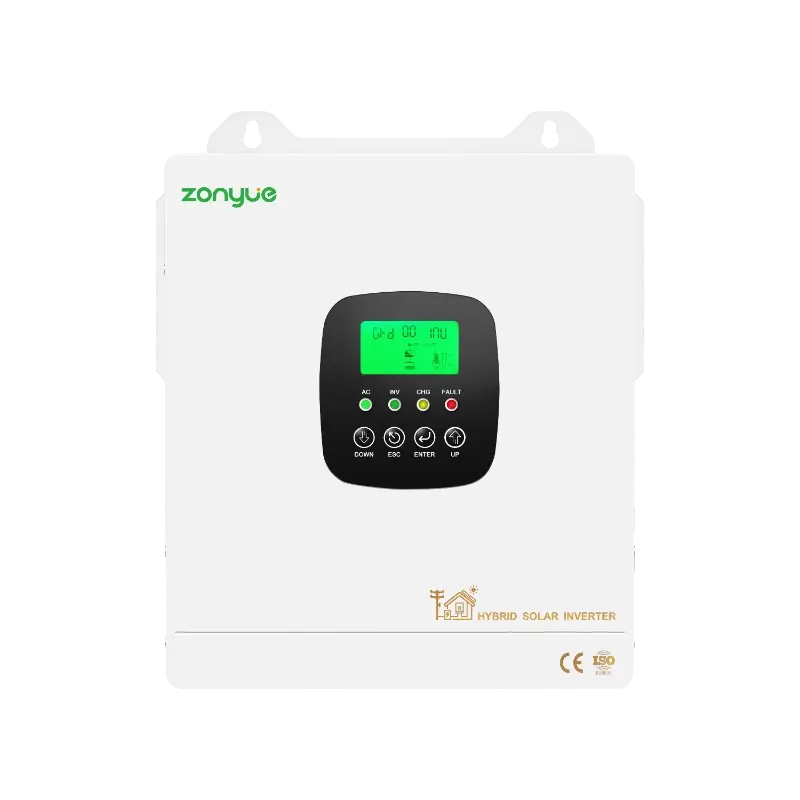
At the core of these systems, the Off-Grid Inverter plays a critical role by converting electricity generated from solar panels and batteries into stable AC power for daily use. Unlike on-grid inverter solutions, an Off-Grid inverter operates independently from the utility grid, making it suitable for applications where reliable power supply is required without direct access to public electricity networks.
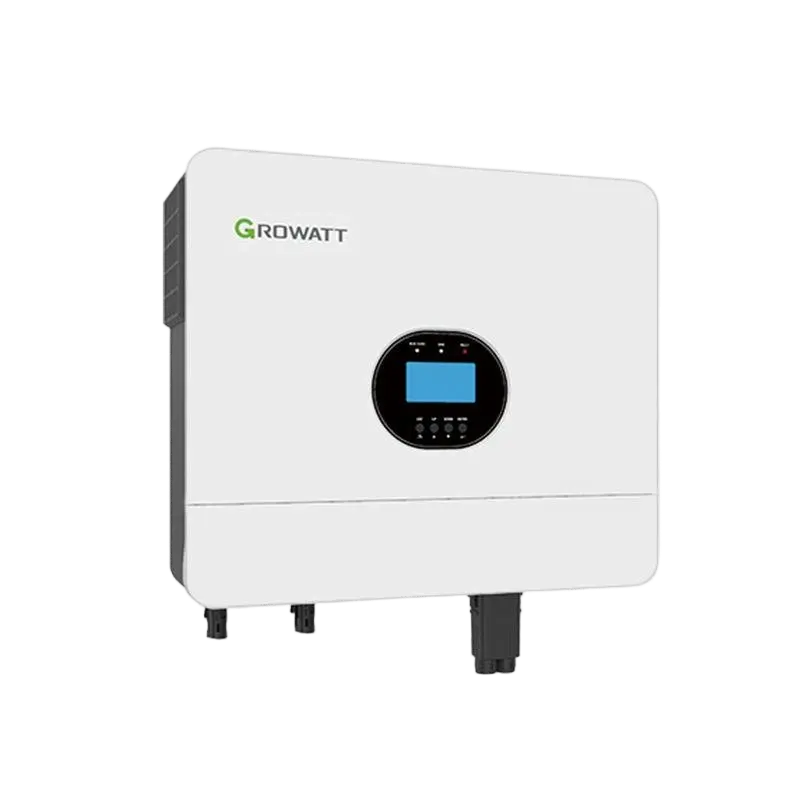
Choosing the right Off-Grid Inverter requires careful consideration of power capacity, system scalability, backup options, and compatibility with different loads. Growatt Off-Grid Inverters are designed to provide stable and flexible power solutions with features including parallel operation of up to 9 units, generator-ready capability, pure sine wave output, and multiple power options, helping customers build reliable standalone energy systems for residential, agricultural, and small commercial applications.
What Is an Off-Grid Inverter?
An Off-Grid Inverter is a power conversion device designed for solar energy systems that operate independently without connection to the public electricity grid.
Unlike traditional on-grid inverters, an off-grid inverter works together with:
- Solar panels
- Battery storage systems
- Backup generators (optional)
to create a complete standalone power supply system.
The main functions of an off-grid Inverter include:
| Function | Description |
| DC to AC Conversion | Converts solar and battery DC power into usable AC electricity |
| Battery Management | Controls charging and discharging processes |
| Power Regulation | Provides stable output voltage and frequency |
| Load Protection | Supports reliable operation of connected equipment |
For remote locations and independent energy projects, an Off-Grid Inverter provides a practical way to achieve continuous power availability.
How Does an Off-Grid Solar System Work?
A typical off-grid solar system operates through several key components:
1. Solar Energy Generation
Solar panels capture sunlight and convert it into DC electricity.
2. Energy Storage
Excess solar power is stored in batteries for use during nighttime or low sunlight conditions.
3. Power Conversion
The Off-Grid Inverter converts stored DC electricity into AC power for household appliances, equipment, and commercial loads.
4. Backup Power Support
When solar energy and battery power are insufficient, compatible generator systems can provide additional support.
This independent operation makes Off-Grid Inverters ideal for areas where grid connection is unavailable or unreliable.
Off-Grid Inverter vs Grid-Tied Inverter
| Comparison | Off-Grid Inverter | Grid-Tied Inverter |
| Grid connection | Not required | Required |
| Battery support | Essential | Optional or unavailable |
| Energy independence | High | Limited |
| Backup power | Available | Usually unavailable |
| Application | Remote and standalone systems | Grid-connected solar projects |
For customers seeking complete energy independence, an Off-Grid Inverter provides greater flexibility and reliability.
Why Choose Growatt/Solis/Deye/Megarevo/Zonyue these Off-Grid Inverters Solutions?
1. Up to 9 Units Parallel Operation for System Expansion
Energy requirements may increase over time, especially for commercial facilities, farms, and large residential properties.
Growatt Off-Grid Inverters support up to 9 units parallel operation, allowing users to expand system capacity according to future power demands.
Benefits include:
- Flexible system expansion
- Higher output capacity
- Easier project upgrades
- Improved investment efficiency
This scalability makes Growatt solutions suitable for both current energy needs and future expansion plans.
2. Generator-Ready Design for Reliable Backup Power
In some remote areas, solar and battery storage alone may not always provide sufficient power during extended periods of bad weather or high energy demand.
Growatt Off-Grid Inverters support generator integration, providing an additional backup option.
This design improves system reliability for applications such as:
- Remote homes
- Agricultural facilities
- Construction sites
- Small commercial buildings
By combining solar, batteries, and generators, users can create a more stable independent power system.
3. Stable Power Output with Pure Sine Wave Technology
Many electrical devices, including motors, appliances, and sensitive electronic equipment, require stable and clean electricity.
Growatt Off-Grid Inverters provide pure sine wave output, helping ensure:
- Stable equipment operation
- Reduced electrical interference
- Better compatibility with different loads
This makes them suitable for various residential and commercial applications.
4. Flexible Power Range for Different Applications
Different projects require different inverter capacities. Growatt provides multiple Off-Grid Inverter models to meet various energy requirements.
| Model Series | Power Range | Application |
| SPF 3000–6000T HVM-G2 | 3-6kW | Residential and small off-grid systems |
| SPF 6000 ES Plus | 6kW | Home and small commercial applications |
| SPE 8000–10000 ES | 8-10kW | Larger residential and commercial systems |
This product range allows customers to select suitable solutions based on:
- Energy consumption
- Load requirements
- Battery capacity
- Expansion plans
Applications of Off-Grid Inverter
Remote Residential Power Systems
For homes located in areas without reliable grid access, Off-Grid Inverters provide an effective way to utilize solar energy independently.
Common benefits include:
- Energy independence
- Lower electricity costs
- Reliable backup power
Agricultural Applications
Farms and agricultural facilities often require stable electricity for:
- Irrigation pumps
- Lighting systems
- Monitoring equipment
- Storage facilities
Off Grid Inverter systems help agricultural users maintain reliable operations even in remote locations.
Small Commercial and Industrial Applications
Businesses operating in areas with limited grid access can use off-grid solar systems to improve energy reliability.
Typical applications include:
- Remote offices
- Small workshops
- Construction facilities
- Communication stations
How to Choose the Right Off-Grid Inverter?
Before purchasing an Off-Grid Inverter, buyers should evaluate several important factors.
1. Power Capacity
The inverter capacity should match the total power demand of connected equipment.
Small residential systems may require lower power ratings, while commercial applications may need expandable solutions.
2. Battery Compatibility
Battery capacity and inverter specifications should be matched to ensure:
- Efficient charging and discharging
- Stable operation
- Longer system lifespan
3. Expansion Requirements
For projects with future growth potential, choosing an Off-Grid Inverter that supports parallel operation can provide greater flexibility.
4. Backup Power Requirements
In areas with unstable weather conditions or high power demands, generator-ready solutions can provide additional reliability.
FAQ
1. What is an Off-Grid Inverter?
An Off-Grid Inverter is a device that converts solar and battery DC power into AC electricity for standalone power systems without relying on the utility grid.
2. What is the difference between an Off-Grid Inverter and a Hybrid Inverter?
An Off-Grid Inverter is mainly designed for independent power systems, while a Hybrid Inverter is designed to manage solar, battery, and grid energy together.
3. Can an Off-Grid Inverter work without batteries?
Most Off-Grid Inverter systems require batteries because they need stored energy to maintain stable power supply when solar generation is unavailable.
4. Why is parallel operation important for Off-Grid Inverters?
Parallel operation allows multiple inverters to work together, increasing system capacity and making future expansion easier.
5. Can an Off-Grid Inverter support a generator?
Yes. Generator-ready Off-Grid Inverters can integrate backup generators to improve power reliability in remote applications.
Conclusion
As the demand for independent and reliable energy solutions continues to grow, the advanced Off-Grid Inverter has become an essential component of standalone solar power systems.
Compared with traditional grid-connected solutions, Off-Grid Inverters provide greater energy independence by combining solar generation, battery storage, and optional backup power sources.
With features including up to 9 units parallel operation, generator-ready capability, pure sine wave output, and flexible power ranges, Growatt Off-Grid Inverters provide reliable and scalable solutions for residential, agricultural, and small commercial energy applications.