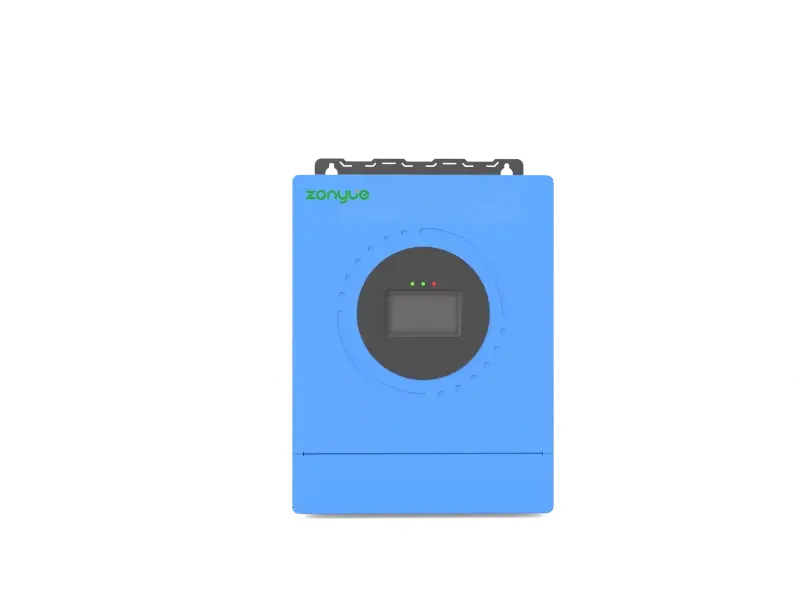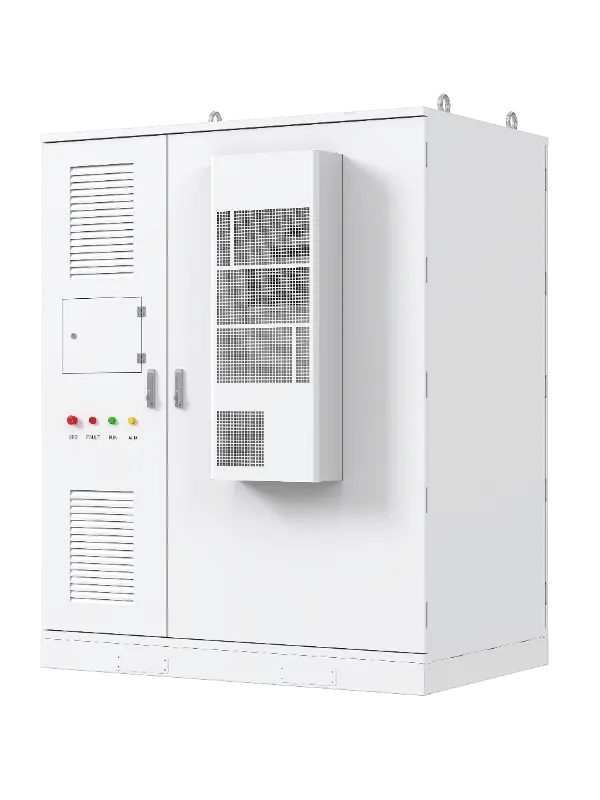
Hybrid Inverter: Intelligent Energy Storage Solutions for C&I Applications
Release time: 2026-08-03
Table of Contents
Introduction
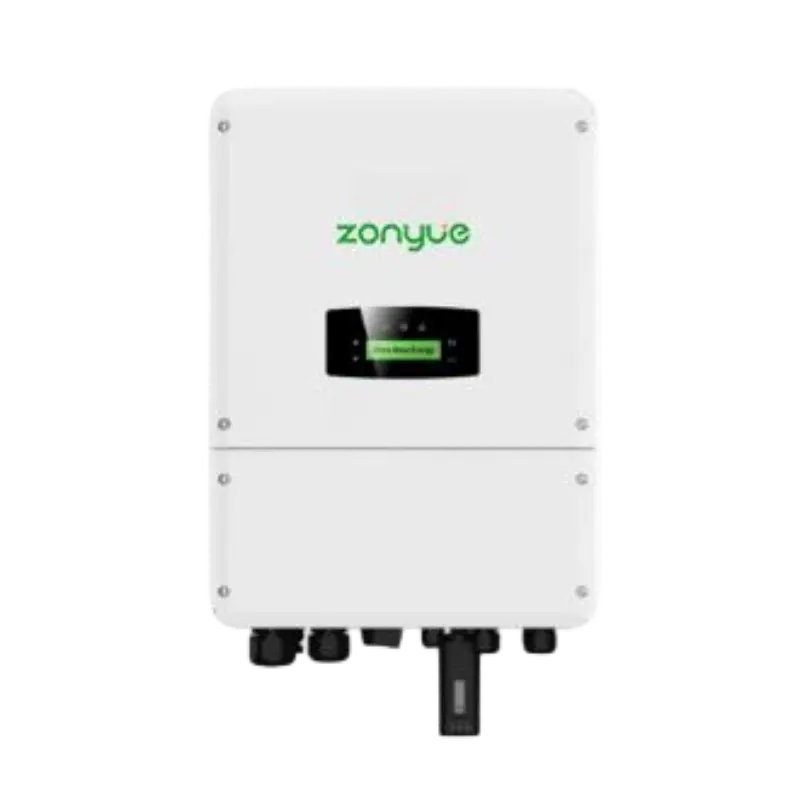
With the increasing adoption of renewable energy, energy storage systems have become an important solution for businesses looking to improve energy efficiency, reduce electricity costs, and enhance power reliability. As the connection point between solar generation, battery storage, and electricity consumption, the Hybrid Inverter plays a critical role in modern solar energy systems.
Unlike traditional solar inverters that mainly convert photovoltaic power into usable electricity, a Hybrid Inverter provides intelligent energy management by controlling the energy flow between solar panels, batteries, electrical loads, and the grid. This enables users to store excess solar energy, optimize electricity usage, and maintain stable power supply during grid interruptions.
For commercial and industrial energy storage projects, selecting the right Hybrid Inverter requires careful consideration of system efficiency, battery compatibility, energy management functions, and future scalability.
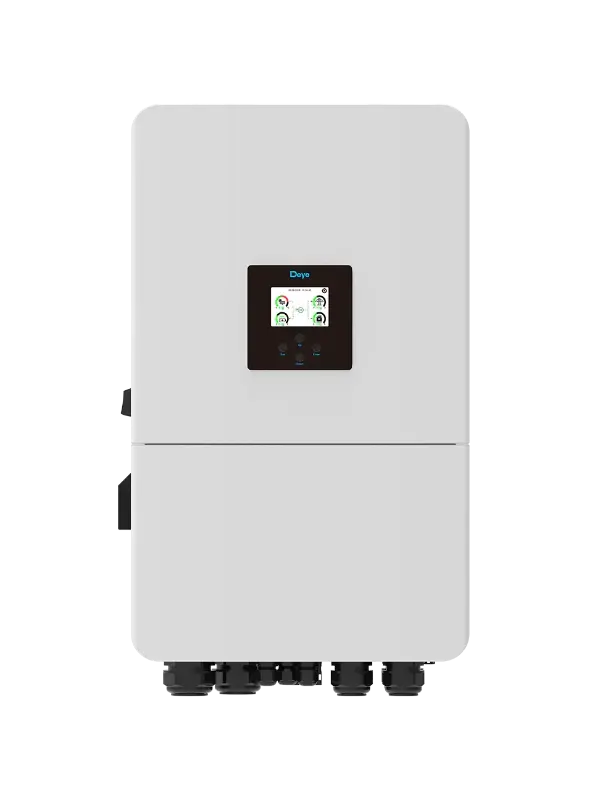
With advanced technologies including 800V high-voltage battery compatibility, multi-period battery management, multi-MPPT design, and grid-forming capability, Deye Hybrid Inverters provide flexible and efficient solutions for residential, commercial, and industrial energy storage applications.
What Is a Hybrid Inverter?
A Hybrid Inverter is an advanced solar inverter that integrates photovoltaic power conversion, battery charging and discharging management, and grid interaction functions into a single system.
The main purpose of a Hybrid Inverter is to intelligently manage different energy sources and ensure electricity is used in the most efficient way.
A typical hybrid energy system includes:
| Component | Function |
| Solar Panels | Generate renewable electricity from sunlight |
| Hybrid Inverter | Converts and manages electrical energy |
| Battery Storage | Stores excess solar energy for later use |
| Grid Connection | Provides additional power support when needed |
| Electrical Loads | Consume generated electricity |
Compared with conventional inverters, Hybrid Inverters provide more flexibility by allowing users to:
- Increase solar self-consumption
- Reduce electricity expenses
- Store energy during low-demand periods
- Use stored energy during peak-price periods
- Maintain backup power during outages
How Does a Hybrid Inverter Work?
A Hybrid Inverter manages energy flow according to real-time electricity conditions.
During the daytime:
- Solar panels generate electricity.
- The Hybrid Inverter supplies power to connected loads.
- Excess energy charges the battery system.
During periods of high electricity demand:
- The inverter can discharge stored battery energy.
- Users can reduce dependence on expensive grid electricity.
- Energy costs can be optimized through intelligent scheduling.
During grid outages:
- The Hybrid Inverter switches to backup mode.
- Stored battery energy continues supplying critical loads.
- The system maintains reliable electricity availability.
This intelligent energy management capability makes Hybrid Inverters an ideal choice for modern solar-plus-storage systems.
Hybrid Inverter vs Traditional Solar Inverter
| Comparison | Hybrid Inverter | Traditional Solar Inverter |
| Solar energy conversion | Yes | Yes |
| Battery integration | Supported | Usually unavailable |
| Energy storage management | Intelligent control | Limited |
| Grid interaction | Advanced management | Basic connection |
| Backup power | Available with battery | Usually unavailable |
| Peak electricity optimization | Supported | Limited |
For users who only need basic solar power conversion, traditional solar inverters may be sufficient. However, for energy storage projects requiring flexibility and long-term savings, Hybrid Inverters provide more comprehensive solutions.
Why Choose Deye Hybrid Inverter Solutions?
1. 800V High Voltage Battery Compatibility
Modern commercial and industrial energy storage systems require higher voltage architectures to improve efficiency and reduce energy losses.
Deye Hybrid Inverters support 800V high-voltage battery systems, providing advantages including:
- Reduced cable losses
- Improved system efficiency
- Better compatibility with large-capacity batteries
- Flexible energy storage system design
High-voltage solutions are especially suitable for commercial and industrial applications where system efficiency and reliability are critical.
2. Six-Period Battery Management for Intelligent Energy Scheduling
Electricity prices often vary throughout the day. Effective battery management allows users to store energy when electricity costs are lower and use stored energy during expensive periods.
Deye Hybrid Inverters support multi-period battery management with up to six time periods, enabling smarter energy scheduling.
| Energy Strategy | Benefit |
| Off-peak charging | Store energy at lower electricity prices |
| Peak discharge | Reduce electricity costs during high-demand periods |
| Self-consumption optimization | Increase solar energy utilization |
| Backup preparation | Improve energy reliability |
This function helps commercial users achieve better energy cost control and improve the return on investment of energy storage systems.
3. Multi-MPPT Design for Flexible Solar Applications
Solar installations often face complex conditions, including different roof orientations, multiple PV arrays, and partial shading.
With multi-MPPT technology, each solar input can operate independently to maximize energy harvesting.
Benefits include:
- Higher solar generation efficiency
- Flexible installation design
- Better system performance under changing conditions
This makes Hybrid Inverters suitable for various residential, commercial, and industrial solar projects.
4. Grid-Forming Capability for Reliable Backup Power
Power stability is essential for businesses and industrial facilities.
Deye Hybrid Inverters feature grid-forming capability, allowing energy storage systems to provide stable power support during grid interruptions.
This is particularly valuable for:
- Manufacturing facilities
- Commercial buildings
- Data centers
- Critical infrastructure projects
By maintaining reliable backup power, Hybrid Inverter systems help reduce operational risks caused by unexpected power failures.
Hybrid Inverter Applications
Residential Solar Energy Storage
For homeowners, Hybrid Inverters provide an efficient way to combine rooftop solar systems with battery storage.
Main benefits include:
- Higher solar energy utilization
- Lower electricity bills
- Backup power availability
Commercial Energy Storage Systems
Businesses are increasingly adopting Hybrid Inverters to optimize electricity consumption and reduce operating expenses.
Common applications include:
- Office buildings
- Shopping centers
- Warehouses
- Commercial facilities
Through intelligent energy management, businesses can better control electricity usage and improve energy efficiency.
Industrial Energy Storage Projects
Industrial facilities usually require higher power capacity and stronger reliability.
Hybrid Inverters support industrial applications by providing:
- Stable power management
- Battery integration
- Energy cost optimization
- Backup power capability
How to Choose the Right Hybrid Inverter?
Before selecting a Hybrid Inverter, buyers should consider the following factors:
1. System Capacity
Different applications require different power levels.
Residential projects may need smaller systems, while commercial and industrial projects require higher-capacity solutions.
2. Battery Compatibility
The inverter should match the battery voltage and storage requirements of the project.
High-voltage battery compatibility can improve system efficiency and scalability.
3. Energy Management Requirements
For businesses looking to reduce electricity costs, functions such as:
- Peak shaving
- Time-of-use optimization
- Intelligent charging and discharging
are essential.
4. Future Expansion
A scalable Hybrid Inverter solution allows users to expand energy storage capacity as electricity demand increases.
FAQ
1. What is a Hybrid Inverter?
A Hybrid Inverter is a solar inverter that integrates solar power conversion, battery storage management, and grid interaction to optimize energy usage.
2. What are the advantages of a Hybrid Inverter?
A Hybrid Inverter can improve solar energy utilization, reduce electricity costs, support battery storage, and provide backup power during outages.
3. Why are high-voltage batteries used with Hybrid Inverters?
High-voltage battery systems can reduce energy losses, improve efficiency, and support larger-scale energy storage applications.
4. Are Hybrid Inverters suitable for commercial applications?
Yes. Hybrid Inverters are widely used in commercial and industrial energy storage projects because they provide intelligent energy management and scalable system solutions.
5. Can a Hybrid Inverter work during a power outage?
Yes. When combined with battery storage, many Hybrid Inverter systems can provide backup power during grid interruptions.
Conclusion
As renewable energy and energy storage technologies continue to develop, Hybrid Inverters have become an essential solution for improving energy efficiency and power reliability.
Compared with traditional solar inverters, Hybrid Inverters provide intelligent control of solar generation, battery storage, and grid interaction, making them suitable for residential, commercial, and industrial applications.
With features including 800V high-voltage battery compatibility, six-period battery management, multi-MPPT technology, and grid-forming capability, Deye Hybrid Inverters provide efficient and flexible solutions for customers building advanced solar energy storage systems.