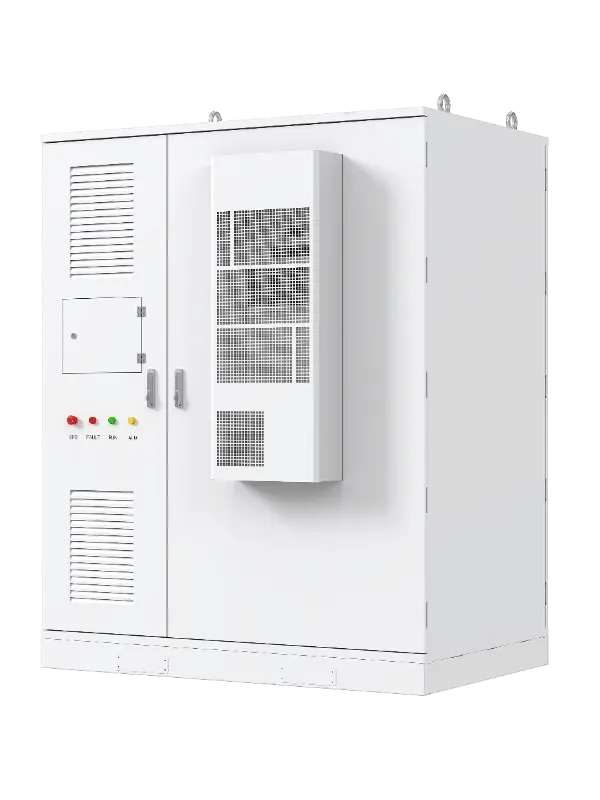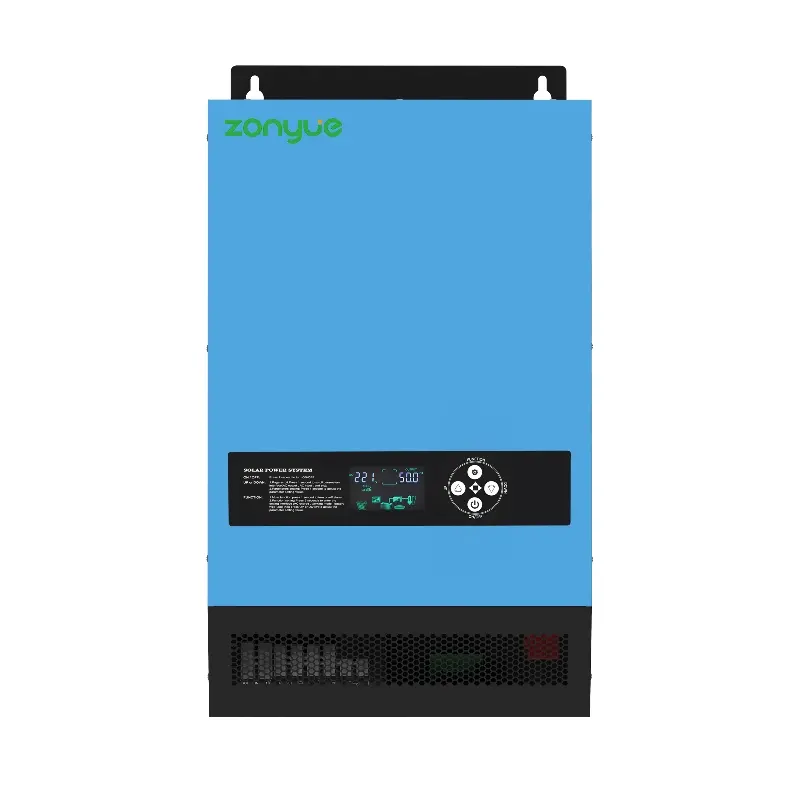
How to Choose the Right Commercial & Industrial Energy Storage System for Your Business
Release time: 2026-10-09
Table of Contents
Commercial and industrial businesses are looking for practical ways to manage electricity costs, make better use of solar power, and maintain more predictable energy operations. For factories, warehouses, commercial buildings, and manufacturing facilities, battery storage can help address these needs when the system is designed around actual site conditions. However, choosing the right solution involves more than comparing battery prices or selecting the largest capacity available. Power output, usable energy, installation space, operating schedules, and future expansion plans all affect the final decision.
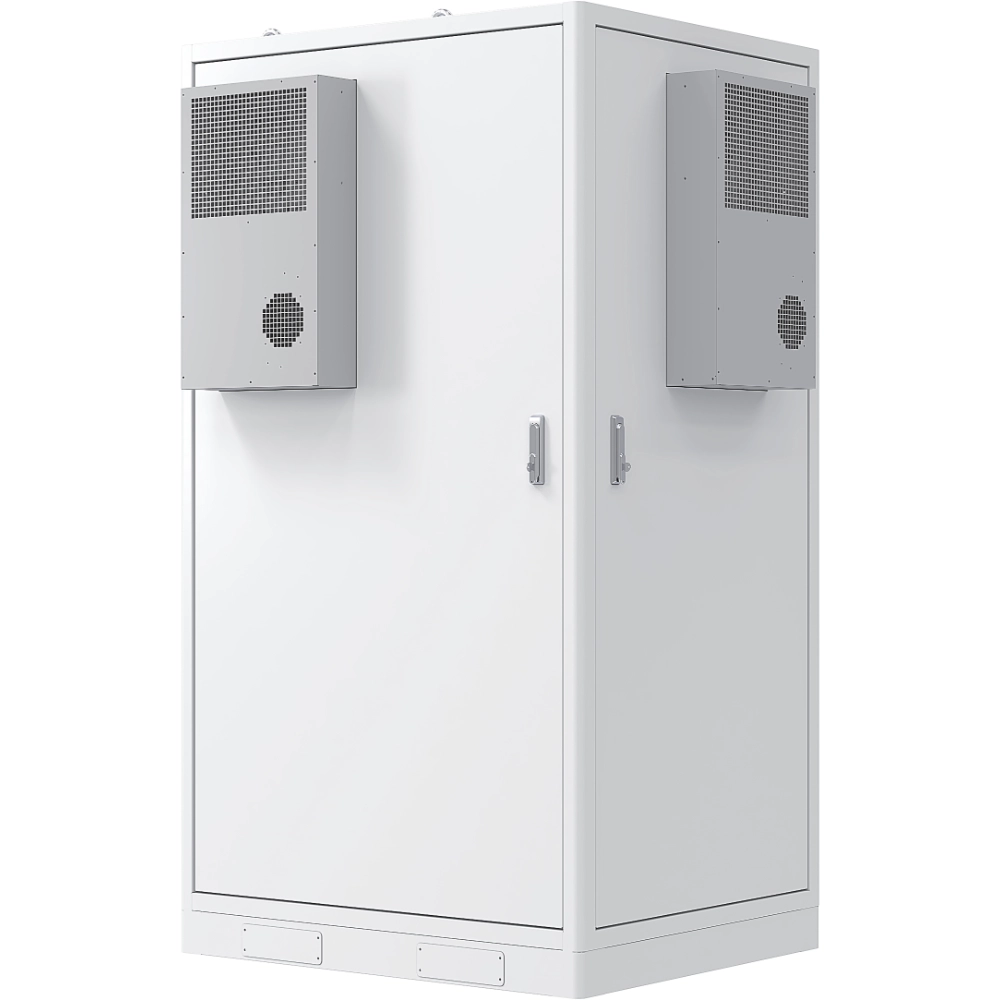
A well-matched Commercial & Industrial Energy Storage System can support several applications, including peak shaving, solar self-consumption, load shifting, and backup power for selected loads. The most suitable configuration depends on how a business uses electricity and what it expects the storage system to achieve. Understanding the available product options before requesting a quotation makes it easier to compare suppliers, evaluate technical specifications, and identify a solution that fits both current operations and long-term energy plans.
What Should Businesses Consider When Choosing Commercial Battery Storage?
The first step is to identify the main reason for investing in battery storage. A factory trying to reduce peak demand charges may need a different configuration from a commercial building that wants to store excess solar energy for evening use. Businesses that experience short periods of high electricity demand should examine their load profiles, while facilities seeking greater energy independence need to consider when renewable power is available and when electricity is consumed.
Power and energy capacity are two separate specifications worth checking carefully. Power, measured in kilowatts (kW), indicates how much electricity a system can deliver at a given time. Energy capacity, measured in kilowatt-hours (kWh), indicates how much energy it can store. A system with sufficient capacity but insufficient output power may not meet a facility’s peak demand. Conversely, a high-power system with limited energy capacity may not sustain discharge for the required period. Reviewing both specifications alongside operating schedules, usable capacity, and conversion losses helps businesses narrow their options before choosing a battery cabinet or an integrated storage solution.
Energy Storage Battery Cabinet Options for Industrial Applications
An Energy Storage Battery Cabinet is worth considering when a project requires a packaged battery storage solution in a cabinet format. For industrial facilities and commercial properties, the cabinet’s rated capacity is only one part of the evaluation. Buyers should also review its rated power, usable energy, battery chemistry, thermal management, protection level, control functions, and compatibility with the proposed power conversion equipment. These details determine whether the product fits the site’s electrical infrastructure and intended operating conditions.
Zonyue offers energy storage products across different capacity ranges, including cabinet solutions in the 50–257 kWh range. This gives project planners a starting point for comparing storage requirements with available product configurations. Smaller installations may have different space and energy requirements from manufacturing facilities with heavier loads or longer operating hours. Rather than selecting a model based on capacity alone, buyers should confirm the actual specifications of each model and whether multiple units can be combined when a project requires additional storage. This approach helps keep the product selection connected to the site’s real energy needs instead of relying on a general capacity estimate.
When Does an Integrated Lithium Battery Storage Cabinet Make Sense?
An Integrated Lithium Battery Storage Cabinet can be a practical option for projects where equipment integration, installation planning, and system coordination are important. Depending on the model, an integrated design may combine battery modules with battery management, thermal management, safety controls, and other supporting components. The exact configuration varies by product, so buyers should verify which components are included rather than assuming every cabinet provides the same functions.
For factories, commercial buildings, and solar-plus-storage projects, integration can simplify equipment planning and reduce the need to coordinate every component separately. However, the cabinet still needs to match the site’s electrical design, available installation space, environmental conditions, and required operating strategy. Buyers should also check how the system communicates with the inverter or power conversion system, whether remote monitoring is supported, and what expansion options are available. These questions are particularly relevant for businesses planning to increase storage capacity as energy demand grows. When evaluating Zonyue’s integrated storage options, project developers should compare the actual model specifications with the intended application and confirm the complete system configuration before placing an order.
Commercial and Industrial Energy Storage Applications
Battery storage can support different energy management strategies depending on a facility’s electricity tariff, load profile, and operating requirements. For factories with high demand during expensive tariff periods, peak shaving may help reduce demand peaks when the battery is correctly sized and controlled. Businesses with on-site solar installations may store surplus generation for later use, increasing the amount of solar electricity consumed on-site. Facilities with variable operating schedules may also explore load shifting, charging the battery during suitable periods and discharging it when electricity is more valuable to the operation.
| Application | Main objective | Key selection factor |
| Peak shaving | Reduce selected demand peaks | Discharge power and peak duration |
| Solar self-consumption | Use more on-site solar energy | Solar generation and load timing |
| Load shifting | Move energy use between periods | Tariff structure and usable capacity |
| Backup power | Support selected loads during outages | Backup configuration and required runtime |
Actual savings depend on local electricity tariffs, system efficiency, operating controls, and project costs. Backup power also requires the appropriate electrical configuration; a standard grid-connected battery system does not automatically provide power during a grid outage. Defining the intended application early helps buyers select products that match the desired outcome without paying for unnecessary capacity or functions.
Why Consider Zonyue for Your Energy Storage Project?
Selecting a storage supplier involves more than finding a cabinet with the right number of kilowatt-hours. Buyers also need clear product specifications, suitable system components, and practical communication during project planning. Zonyue’s product portfolio includes commercial and industrial energy storage systems, energy storage battery cabinets, integrated lithium battery storage cabinets, and related solar inverter products. This range provides a starting point for businesses and project developers comparing storage equipment for different applications.
When discussing a project with Zonyue, buyers can prepare basic information about the facility’s electricity consumption, peak demand, operating hours, solar installation, available space, and preferred storage duration. These details help establish the initial technical requirements and identify which product configurations deserve closer evaluation. It is also useful to ask about rated and usable capacity, continuous output power, battery chemistry, protection ratings, monitoring functions, warranty terms, and delivery arrangements. For larger projects, confirm system integration requirements and the process for checking compatibility between the battery cabinet and power conversion equipment. Clear technical communication at the quotation stage can make product comparisons more meaningful and help reduce configuration misunderstandings later.
Find the Right Energy Storage Solution for Your Business
The right battery storage solution should fit the way a business operates, not simply look attractive on a specification sheet. By identifying the main energy management objective, reviewing both power and capacity requirements, and checking the details of each cabinet, businesses can make a more informed purchasing decision. It is equally important to consider installation conditions, system compatibility, future expansion, and the support available from the supplier.
Whether a project calls for a commercial and industrial storage system, a cabinet-based battery solution, or an integrated lithium battery cabinet, the next step is to compare the available models against the project’s actual requirements. Contact Zonyue to discuss your application, target capacity, and installation conditions, and request product specifications for the configurations under consideration. A clear understanding of the project from the beginning helps establish a more practical path toward selecting an energy storage solution.
FAQ
What is a commercial and industrial energy storage system?
A commercial and industrial energy storage system stores electricity for later use in applications such as peak shaving, solar self-consumption, load shifting, and selected backup power scenarios. Its configuration depends on the facility’s energy demand, electrical infrastructure, and operating objectives.
How do I choose the right energy storage battery cabinet capacity?
Start by reviewing the facility’s load profile, target discharge duration, and required output power. Then compare the required energy with the product’s usable capacity, accounting for operating limits and system losses. The final selection should also consider installation space and potential future expansion.
What is the difference between a battery cabinet and an integrated lithium battery storage cabinet?
The terms can overlap, depending on the supplier’s product naming. An integrated cabinet generally emphasizes the combination of battery modules and supporting components within a coordinated enclosure. Buyers should check the actual bill of materials and technical specifications to understand what each model includes.
Can commercial battery storage work with solar panels?
Yes. A suitably configured battery storage system can store surplus solar generation and discharge it when the facility needs electricity. The actual benefit depends on solar output, the site’s consumption pattern, system compatibility, and local electricity tariffs.