The Ultimate Guide to Choosing an Energy Storage Battery Cabinet: Specs, Real-World Data, and Pitfalls to Avoid
Release time: 2026-05-19
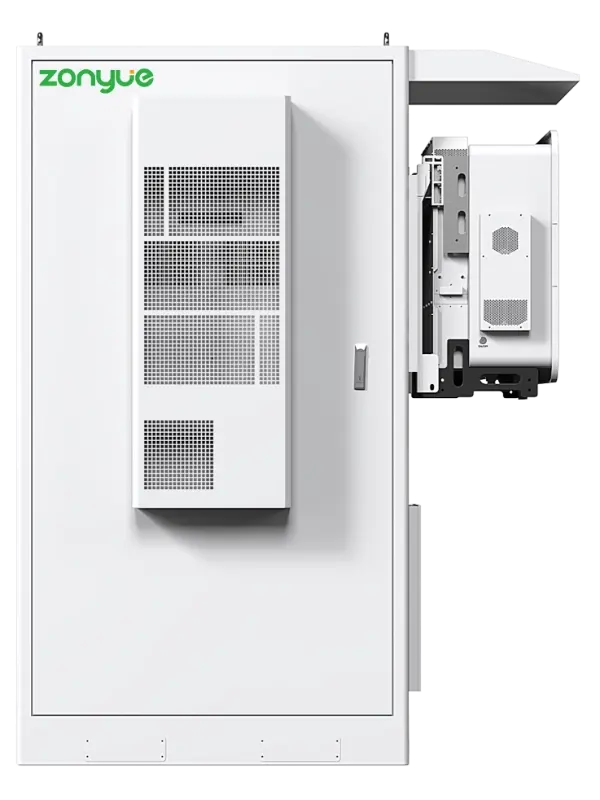
An energy storage battery cabinet is a fully integrated, self-contained protective enclosure engineered to house battery modules, advanced thermal management systems, power conversion systems (PCS), and safety controls for commercial, industrial, and utility applications. These intelligent enclosures protect high-density energy cells from harsh environmental elements while managing the charging and discharging cycles. By stabilizing grid connections, delivering seamless backup power, and optimizing peak shaving strategies, a modern battery cabinet acts as the backbone of reliable renewable energy infrastructure.
How the Technology Works Under the Hood
The operational foundation of a modern energy storage system relies on reversible electrochemical processes. During the charging cycle, electrical energy supplied by the power grid or distributed solar arrays forces lithium ions (Li⁺) to migrate from the cathode (positive electrode) through an organic electrolyte to the anode (negative electrode), capturing the energy in a chemical state. Upon demand, this process reverses, releasing free electrons through an external circuit to power industrial loads or offset grid deficits.
On a physical and thermal level, managing this high-current migration demands extreme precision. Rapid energy transfers inherently generate localized internal heat due to internal resistance (I²R losses). High-tier cabinets utilize closed-loop liquid cooling plates or intelligent HVAC systems to maintain internal cell temperatures within a strict 15°C to 35°C window. This tight thermal regulation prevents localized degradation, balances cell voltage across the strings, and eliminates the risk of thermal runaway.
Core Technical Advantages of Modern Enclosures
Selecting high-quality lithium battery cabinets offers measurable operational upgrades over unmanaged, basic battery racks. Industrial field testing indicates that transitioning from standard air-cooled racks to precision liquid-cooled cabinet designs slacks cell-to-cell temperature variations down to less than 2°C, directly boosting overall system lifespan by up to 30%.
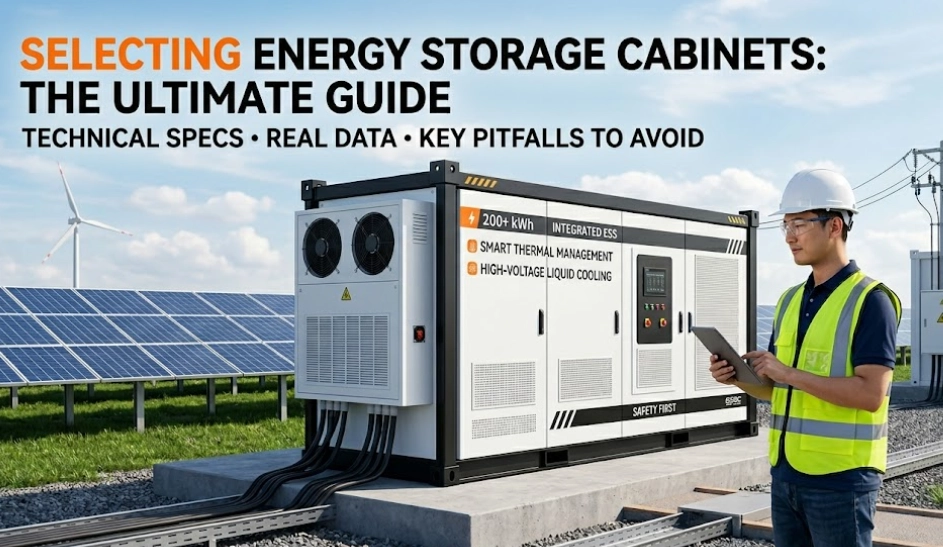
- Ultra-High Energy Density: Advanced engineering allows manufacturers to pack over 200 kWh of storage capacity into a compact outdoor footprint of less than 1.5 square meters, minimizing land lease costs.
- Active Fire Mitigation: Premium cabinets incorporate multi-level safety mechanisms, utilizing localized aerosol or Novec 1230 gas suppression agents that extinguish thermal events at the module level before propagation occurs.
- Intelligent Local Control: Integrated Battery Management Systems (BMS) continuously sample voltage, current, and insulation resistance at the millisecond level, providing real-time telemetry for predictive maintenance.
Manufacturing Standards and Industrial Applications
Building a heavy-duty industrial energy storage unit requires robust industrial engineering and premium materials. The outer structural chassis is typically laser-cut from high-strength galvanized steel or marine-grade aluminum alloys, holding IP54 or IP55 ingress protection ratings to lock out moisture, dust, and corrosive coastal air. The metal undergoes automated robotic welding, followed by a multi-stage zinc-phosphate pre-treatment and an outdoor powder coating tested to survive a 1,000-hour salt spray test.
During the factory assembly phase, automated lines utilize laser welding to link individual cells into rigid modules, ensuring minimal contact resistance. Every finished cabinet undergoes comprehensive Factory Acceptance Testing (FAT), including high-potential insulation testing, full-load thermal imaging cycles, and multi-axis vibration simulation to guarantee structural integrity during transit.
These rugged enclosures serve critical roles across multiple commercial sectors:
- Commercial & Industrial (C&I) Peak Shaving: Lowering expensive demand charges for manufacturing plants by discharging during peak utility tariff hours.
- Renewable Energy Smoothing: Buffering the intermittent generation profiles of megawatt-scale solar installations and wind farms.
- Critical Infrastructure Backup: Supplying instant, uninterruptible power to data centers, medical facilities, and remote microgrids.
Energy Storage Cabinets vs. Traditional Diesel Generators
When analyzing long-term capital allocation, evaluating how modern battery enclosures compare to traditional mechanical backup power systems helps clear up the true return on investment.
| Performance Metric | Energy Storage Battery Enclosure (LFP) | Industrial Diesel Generator Set |
| Response Switch Time | < 20 Milliseconds (Instantaneous backup) | 10 to 15 Seconds (Engine crank delay) |
| Operational Cost (OPEX) | Extremely low, minimal mechanical moving parts | High; vulnerable to fuel prices and regular oil/filter swaps |
| Environmental Impact | Zero localized carbon emissions; silent operation | High emission profile; severe noise pollution issues |
| System Lifespan | 10 to 15 Years (6,000 to 8,000 full cycles) | Variable; highly dependent on runtime hours and wear |
| Site Installation Footprint | Compact, modular layout optimized for outdoors | Large dedicated indoor room or heavy concrete pad needed |
FAQ: Resolving Critical Commercial Search Intent
What is the expected lifespan of a commercial-grade battery cabinet?
When operating under standard guidelines, premium Lithium Iron Phosphate (LFP) cabinets regularly achieve between 6,000 and 8,000 complete charge cycles at 80% Depth of Discharge (DoD), which translates to an active operational life of 10 to 15 years before the capacity drops to 80% of its original rating.
How do extreme outdoor temperatures affect system performance?
Extreme external environments directly challenge battery chemistry. Severe sub-zero temperatures temporarily lower usable capacity, while prolonged heat speeds up internal degradation. Premium outdoor cabinets counter this by utilizing heavy insulation layers coupled with industrial-grade HVAC units, keeping the internal environment locked at an optimal 25°C even when outside temperatures swing from -30°C up to 50°C.
Which safety and fire certifications are mandatory for compliance?
To ensure compliance with global safety standards and insurance underwriting, systems should ideally be certified to UL 9540 (for the complete integrated energy storage system) and have undergone UL 9540A testing (for evaluating thermal runaway fire propagation). Additional critical standards include IEC 62619 for industrial cell safety and CE compliance for European markets.