How to Choose the Right Commercial Energy Storage Battery Cabinet?
Release time: 2026-04-18
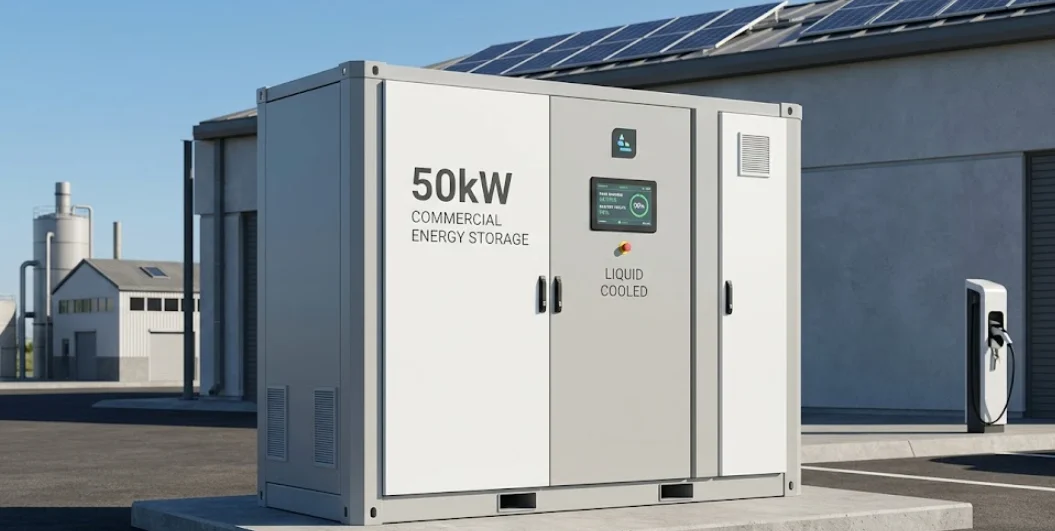
Energy demands are skyrocketing across the globe, and grid instability is rapidly becoming a massive headache for industrial facilities and corporate campuses alike. Peak shaving, load shifting, and reliable emergency backup are no longer optional luxuries; they are absolute necessities for maintaining continuous operations and cutting increasingly ridiculous utility costs. This is exactly where a properly configured commercial energy storage battery cabinet steps in to fundamentally change how a facility manages power. By storing off-peak electricity and discharging it during high-tariff periods, this equipment transforms unpredictable energy expenses into a manageable, highly predictable financial asset. However, navigating the modern market’s sea of technical specifications, evolving battery chemistries, and complex grid integration requirements can feel completely overwhelming for anyone not deeply embedded in the renewable energy sector. The goal here is to cut through the industry jargon and highlight what actually matters.
Lithium Iron Phosphate vs. NMC: The Data-Driven Choice
The current market essentially forces buyers to choose between two dominant lithium-ion chemistries: lithium iron phosphate (LFP) and nickel manganese cobalt (NMC). When analyzing long-term lifecycle data, LFP consistently emerges as the absolute workhorse for heavy-duty commercial applications. Industry data shows that a premium LFP-based commercial energy storage battery cabinet routinely exceeds 6,000 to 8,000 charge cycles, offering a robust 10-to-15-year operational lifespan with minimal capacity degradation. Conversely, NMC variants pack a noticeably higher energy density—making them perfect for space-constrained urban facilities—but they typically max out around 4,000 cycles. Furthermore, the safety profile and superior thermal stability of LFP usually trump the compact footprint of NMC. When strict insurance premiums, local fire safety regulations, and thermal runaway risks are factored into the total cost of ownership, LFP heavily dominates the current commercial storage landscape.
Navigating Costly Pitfalls in Real-World Deployments
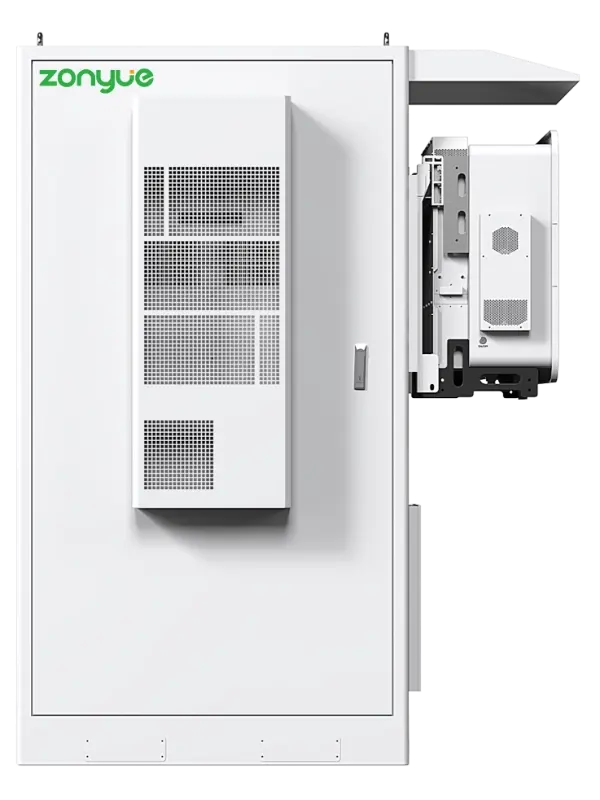
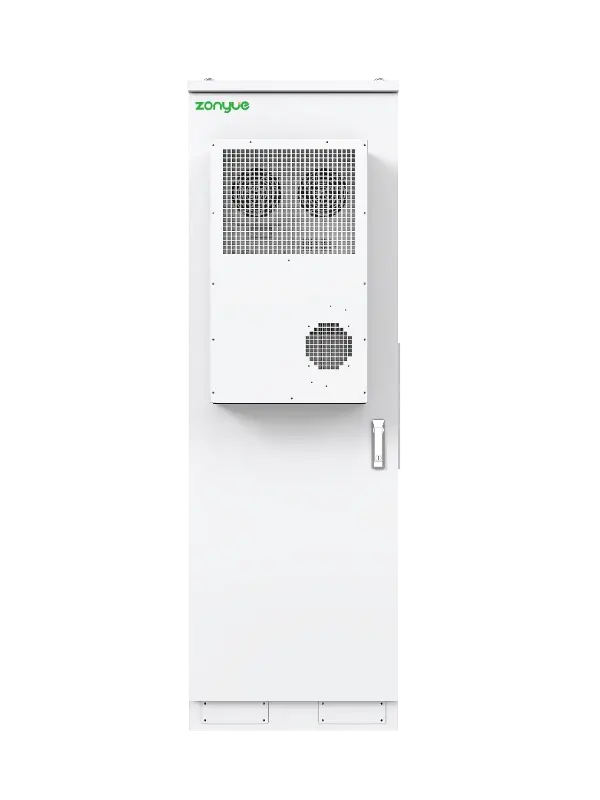
Real-world deployment often reveals brutal operational truths that glossy manufacturer spec sheets conveniently hide from buyers. A notoriously common trap in the industry is underestimating the parasitic load of the HVAC requirements for these massive, high-density units. Facilities frequently purchase a high-capacity commercial energy storage battery cabinet, only to realize the internal liquid cooling or air conditioning system drains a significant percentage of the stored power just to keep the sensitive cells from overheating during peak summer months. Another massive pitfall is ignoring the battery management system (BMS) software compatibility with existing facility microgrids or legacy solar arrays. If the proprietary BMS cannot communicate seamlessly with older inverters or central grid controllers, the entire storage system basically becomes an incredibly expensive, oversized paperweight waiting for custom software patches and third-party integration fixes, which completely ruins the projected return on investment. Testing software handshakes before the concrete pad is poured remains an absolute necessity.
Essential Performance Metrics for Procurement
Successfully navigating the procurement and installation process requires focusing on several critical performance indicators rather than just being blinded by the initial upfront price tag. Focusing solely on capital expenditure often leads to incredibly expensive maintenance nightmares down the road. Keeping these vital metrics front and center during the evaluation phase is highly recommended:
- Round-Trip Efficiency (RTE): Seeking out systems boasting an RTE of 88% or higher is critical. Anything lower indicates that too much valuable energy is being wasted as ambient heat during the standard charge and discharge cycles.
- Depth of Discharge (DoD): High-tier cabinets should allow for a 90-95% DoD without severely damaging the long-term battery health, providing significantly more usable capacity per cycle.
- Thermal Management Systems: Liquid cooling is rapidly replacing standard air cooling as the industry standard. It reduces temperature variance between individual cells to under 3°C, which drastically extends the overall lifespan of the entire system.
Securing Long-Term Return on Investment
Securing long-term energy independence is a brilliant strategic move that pays massive financial dividends over the lifespan of the equipment. A properly sized, meticulously integrated commercial energy storage battery cabinet acts as an impenetrable financial shield against punishing peak demand charges and sudden grid blackouts. The ultimate secret to a successful deployment lies in looking far beyond the initial marketing hype, heavily scrutinizing the underlying thermal management systems, and ensuring the chosen battery chemistry aligns perfectly with the facility’s daily power usage patterns. Taking the extra time to evaluate these specific technical nuances ensures a remarkably smooth deployment. It prevents costly post-installation surprises and turns a highly complex energy transition project into a streamlined, highly profitable reality for modern commercial enterprises. As grid infrastructure continues to age, having localized, intelligent power storage is the only guaranteed way to future-proof commercial operations against an unpredictable energy landscape.